

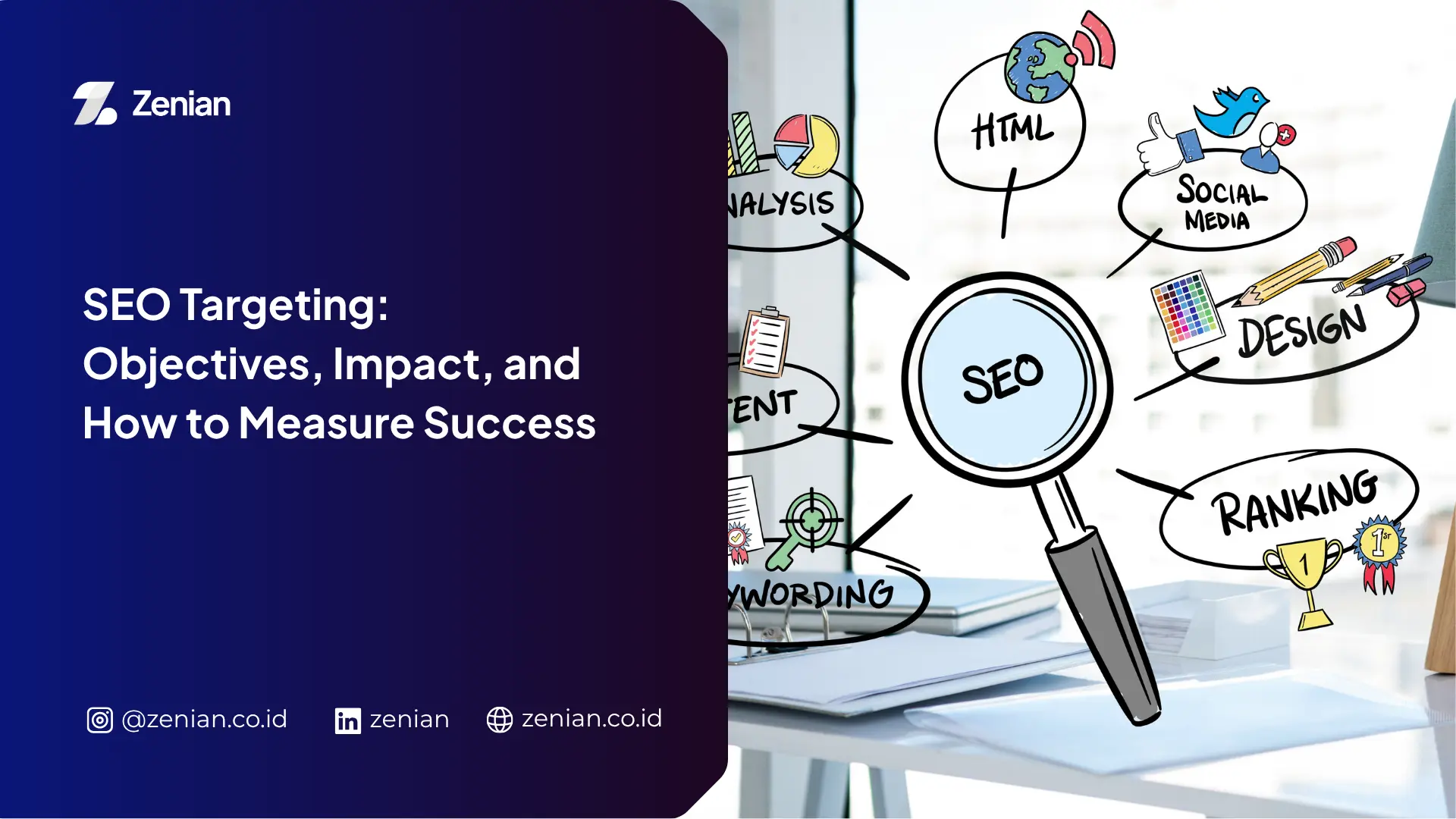
You may often hear that SEO is the key to digital success, but understanding SEO targeting and its strategic direction is far more important. This article will discuss how SEO enhances visibility while simultaneously driving business growth.
With the right approach, SEO can optimize website performance, attract high-quality traffic, and build credibility with users. Here, you will see how SEO optimization goals play a major role in determining measurable final results.
What is an SEO Target?
A target in an SEO strategy refers to the end result intended to be achieved from the entire website optimization process so that it is more easily discovered on search engines like Google.
Understanding Targets in SEO Strategy
SEO targeting aims to emphasize the effort of understanding user needs and providing relevant solutions. In other words, SEO does not just chase rankings; it builds an experience that matches search intent.
An effective SEO target must align with business goals and be clearly designed. Common forms of targets include:
- Consistently increasing organic traffic.
- Strengthening brand visibility and digital presence.
- Attracting relevant visitors with conversion potential.
- Improving the quality of user interaction within the website.
The Importance of Defining SEO Targets Early
Defining targets from the start is a fundamental step before executing an SEO strategy. Without clear targets, the optimization process will lack direction and struggle to produce maximum results. Therefore, setting targets is not just a formality it is the foundation of the entire strategy. Here is why:
- Provides direction and focus.
- Produces measurable achievements.
- Facilitates evaluation and adjustments.
- Builds a foundation for long-term growth.
- Optimizes resource utilization.
Objectives of SEO Optimization
To achieve these results, SEO optimization has several main objectives that are interconnected and support overall business growth.
1. Increasing Organic Traffic
SEO optimization focuses on bringing in visitors without relying on paid advertising. This strategy allows a website to gain traffic from natural search results, making it more efficient in the long run. The goals are:
- Attracting visitors through free search results without ad costs.
- Bringing in high-quality traffic from audiences who actually need your solutions or products.
- Maintaining visitor stability, as organic traffic tends to be more durable than paid traffic.
2. Improving Search Engine Rankings
SEO helps improve a website’s position in search results, particularly on the first page, which holds high user trust. The higher a website ranks, the greater the chance of getting clicks:
- Pushing the website to appear on the first page of search engines.
- Increasing click opportunities from users viewing search results.
- Aligning content with search intent to meet user needs, whether informative or transactional.
3. Generating Leads and Conversions
SEO focuses not only on the number of visitors but also on the quality of interactions that lead to action. This strategy helps guide visitors toward next steps, such as a purchase or registration:
- Converting visitors into customers through a clear flow.
- Optimizing User Experience (UX) through speed and good navigation.
- Increasing Return on Investment (ROI) because the incoming traffic has high conversion potential.
4. Building Brand Awareness
Beyond technical performance, SEO plays a vital role in building a brand’s image. Consistent appearance in search results strengthens the brand’s position in the industry:
- Increasing consistent brand exposure in search engines.
- Building trust because the brand appears in top positions.
- Creating a professional image through a well-optimized website.

The Impact of SEO for Business
Business owners can turn a website into a long-term asset that continuously generates value. Although results are not instant, the impact of SEO tends to be long-lasting:
- Enhanced Online Visibility: Makes it easier for potential customers to find relevant products or services at the exact moment they need a solution.
- Long-term Marketing Cost Efficiency: Reduces dependence on paid ads. Unlike ads that stop generating traffic when the budget runs out, SEO continues to bring in organic visitors without a “cost-per-click.”
- Increased Brand Credibility: Websites on the first page are perceived as more professional, relevant, and authoritative.
- Higher ROI: Organic visitors usually have a clear need, leading to higher conversion rates compared to other marketing strategies.
Read Too: How to Create Long Tail Keywords: Definition and Research
Tools for Measuring SEO Targets
Here are the categories of tools that help monitor and evaluate SEO performance thoroughly:
Website Analytics Tools
- Google Analytics: Provides data on visitor numbers, user behavior, traffic sources, and conversion rates.
- Google Search Console: Allows you to monitor search performance, track organic keyword rankings, and identify technical issues.
Keyword Research Tools
- Ahrefs, SEMrush, and Ubersuggest: Used to find high-volume, relevant keywords and analyze competitors.
- Google Keyword Planner: Ideal for finding initial keyword ideas and estimating potential traffic.
Ranking Monitoring Tools
- Ahrefs & SEMrush: Both offer accurate keyword tracking, backlink analysis, and organic traffic insights.
- Moz Pro: Provides insights into keyword positions and factors affecting search engine rankings.
SEO Audit Tools
- Screaming Frog SEO Spider: A desktop tool for technical audits (broken URLs, meta tag issues, indexing problems).
- Google Search Console: Helps identify technical issues affecting indexing and page performance.
How to Measure an Effective SEO Strategy
Measuring SEO requires objective data through the routine monitoring of key metrics:
- Measure Website Traffic: Focus on organic growth and audience relevance.
- Monitor Keyword Ranking: Higher rankings in the SERP (Search Engine Results Page) increase click opportunities.
- Calculate Conversion Rate: Ensure organic traffic leads to actions like form fills or purchases.
- Analyze Bounce Rate and Engagement: Reflects how interesting and relevant your content is to the user.
- Evaluate SEO ROI: Ensures that the investment provides sustainable profits compared to paid alternatives.
SEO Key Performance Indicators (KPIs)
- Organic Traffic: The most basic indicator of success. Growth here means your website is increasingly discoverable.
- Click-Through Rate (CTR): Reflects the attractiveness of your Meta Titles and Descriptions.
- Domain Authority / Page Authority: Reflects the level of trust search engines have in your site.
- Quality Backlinks: Digital “votes of confidence” from other reputable websites.
Achieve Your Business SEO Targets with Zenian
SEO is a sustainable investment capable of building digital business growth. By setting the right targets, every optimization step provides a tangible impact on business results.
To ensure your strategy runs effectively without time-consuming trial and error, consider professional support like PT Zenian Digital Lab. Through a data-driven approach and integrated digital services, Zenian helps you optimize your SEO targets.
If you want to maximize your digital potential strategically, now is the time to take a definitive step. Consult with the experts today!
Read Too: Definition of SEO On Page, Its Functions, and Optimization Methods